
All the Light We Cannot See
A lesson learned with one more click of the shutter

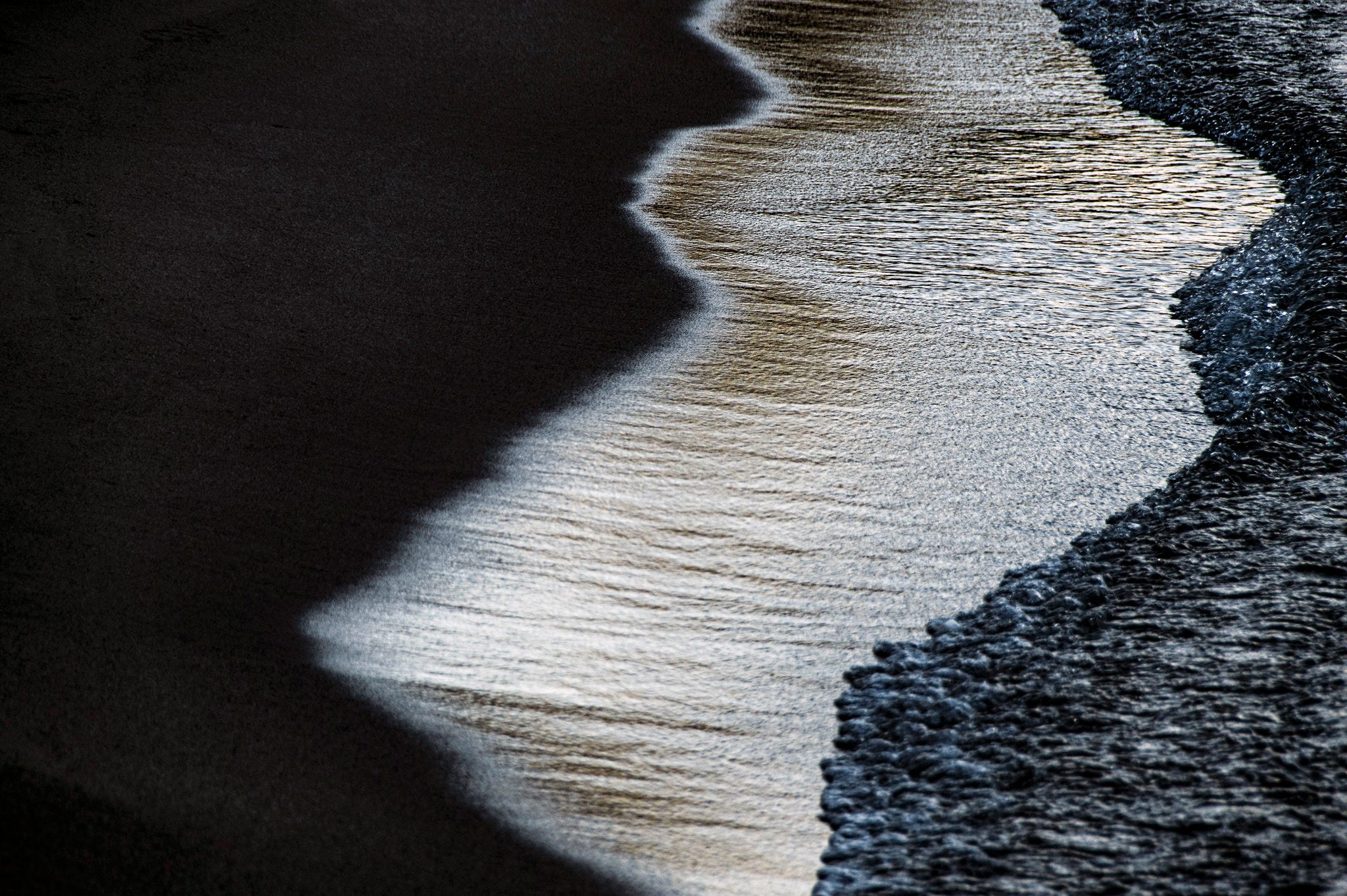
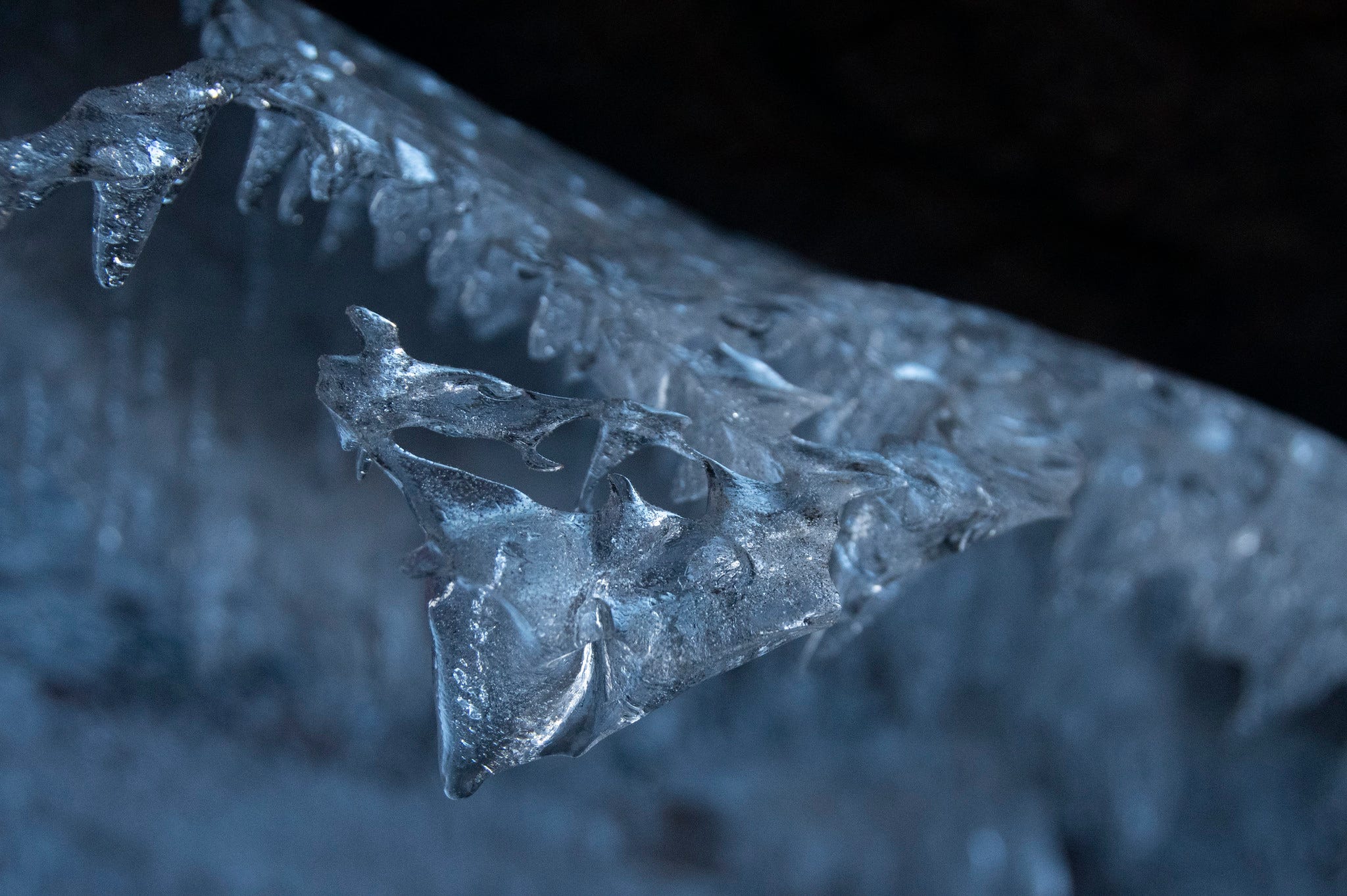
To my eyes, it was dark. After hours of making photographs deep in the Apostle Islands Ice Caves, night had fallen, deep shadows rising along with the cold. I was about to put the camera away and begin the long walk back to the car when something my friend and National Geographic photographer Michael Melford once said came back to me: “Don’t stop shooting until your shots stop turning out.” I clicked the shutter one more time.
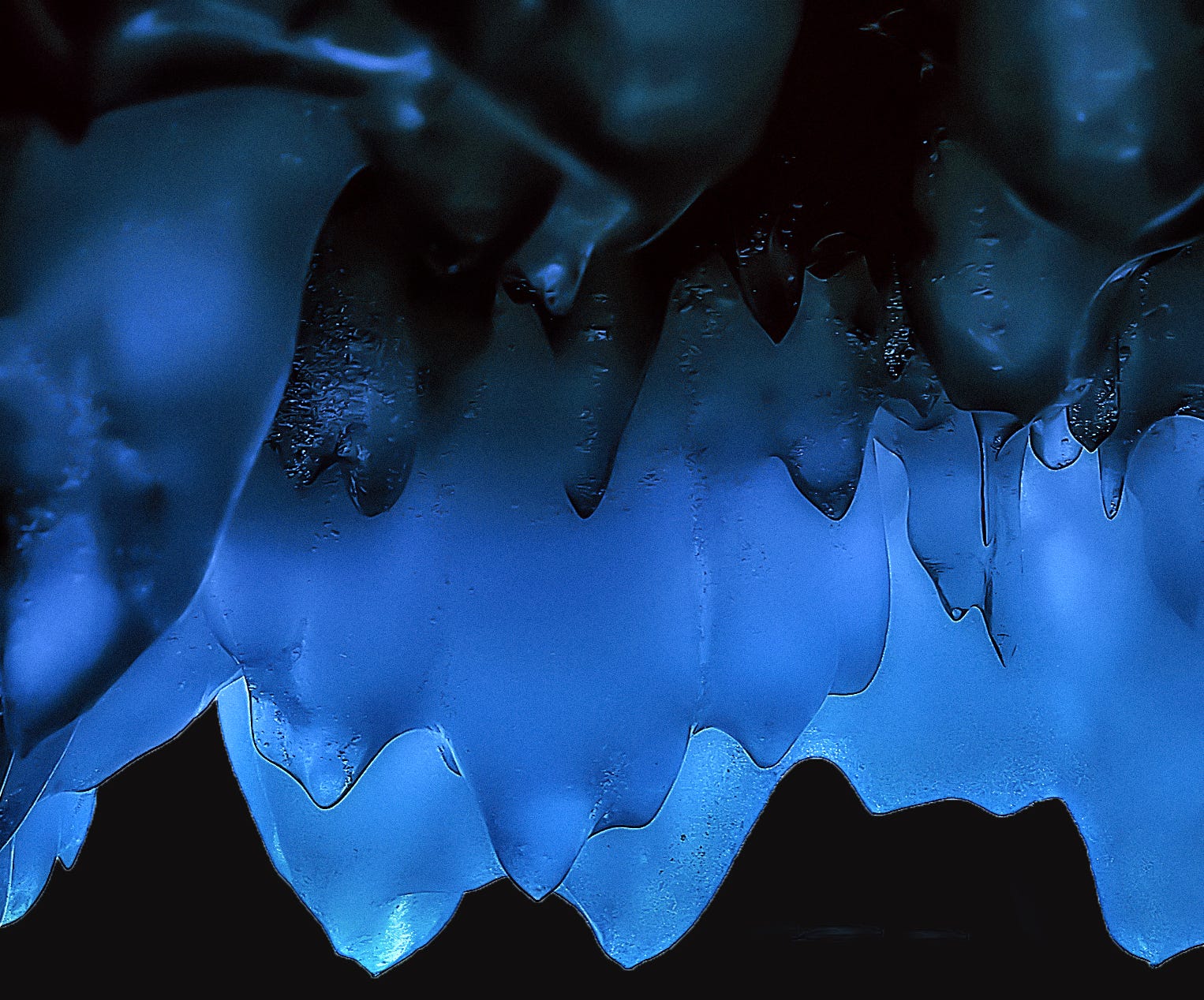
Technically, it may not be my best photograph but it is one that taught me an important lesson and led me to carry a camera aboard the Little Dipper: just as there are sounds we cannot hear, there is light we cannot see with only our eyes.
From that moment on, what has interested me about the art of photography is not the way the camera captures what the human eye can already see, but how a camera enables us to see what the eye cannot.
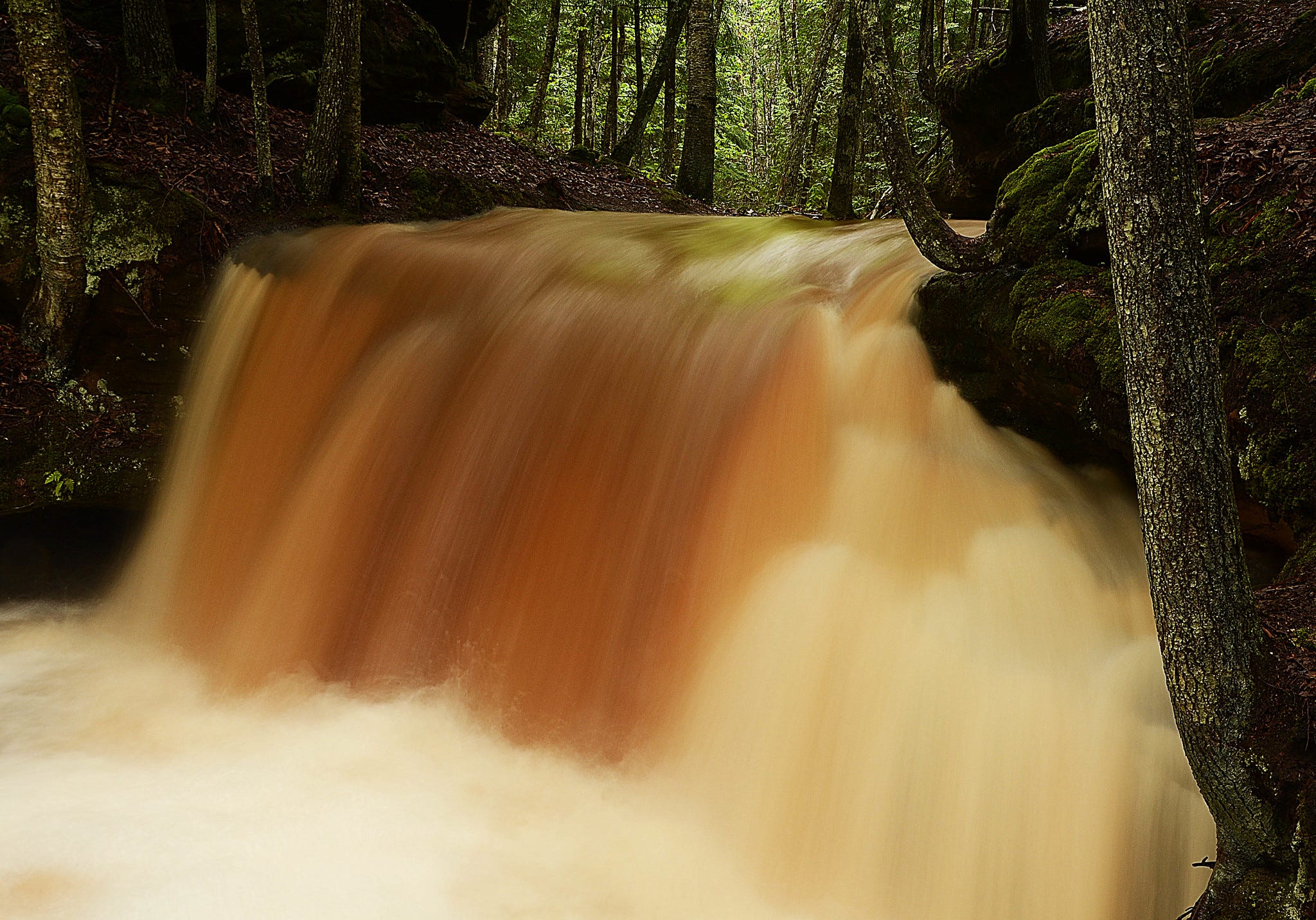
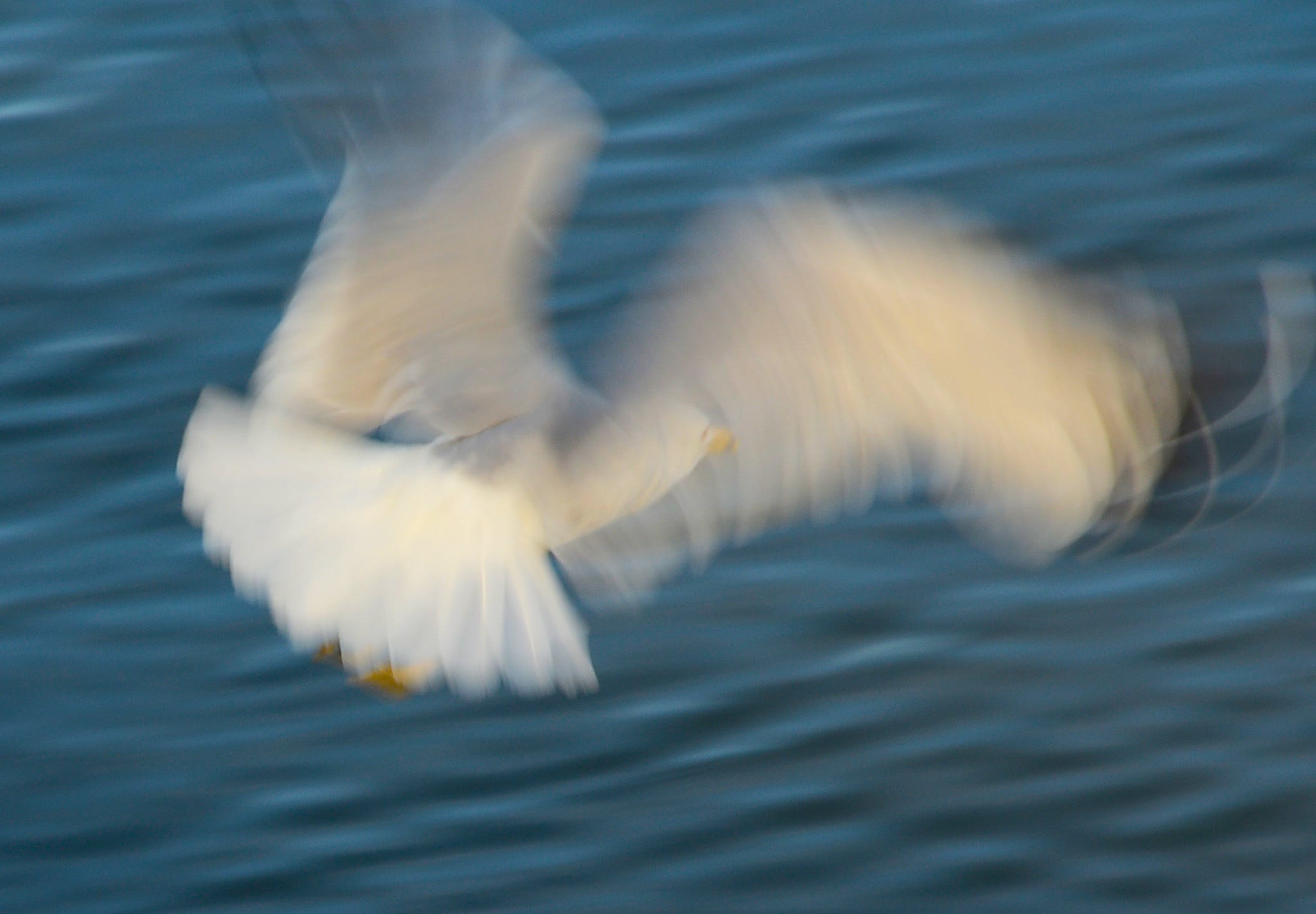
The human eye processes light at about 1/60th of a second. The camera can slow things down and turn the flow of a waterfall silky.
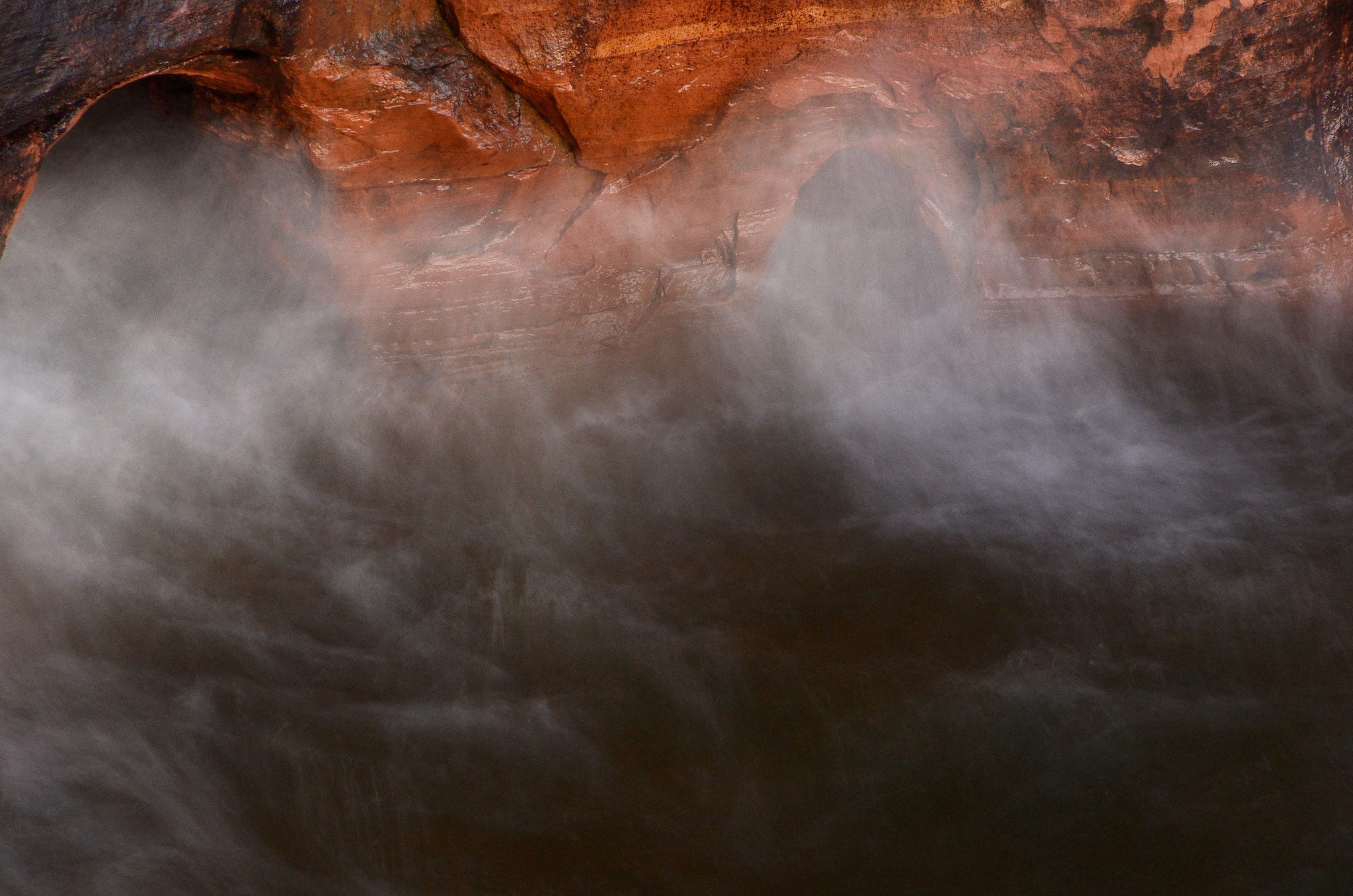
Or the bursting waves hitting a sea cave to curls of mist
Or the beating wings of a passing gull into see-through veils of gossamer.
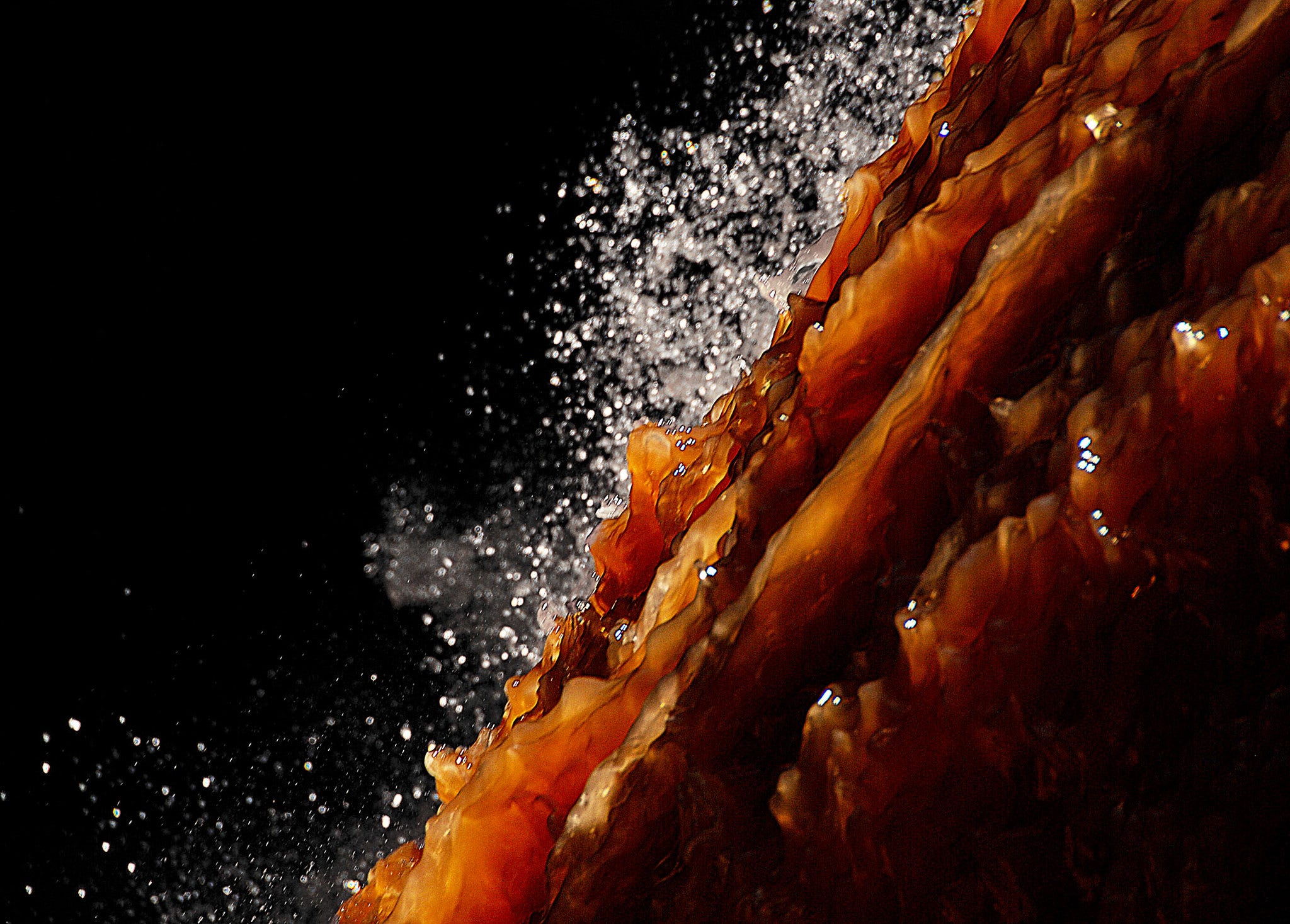
A camera can also speed things up well beyond the capability of human eyes turning what would be, to us, just a blur, into a glimpse at the sharp focus and details that happen too quickly for our eyes to see, like the drops of a raging waterall,
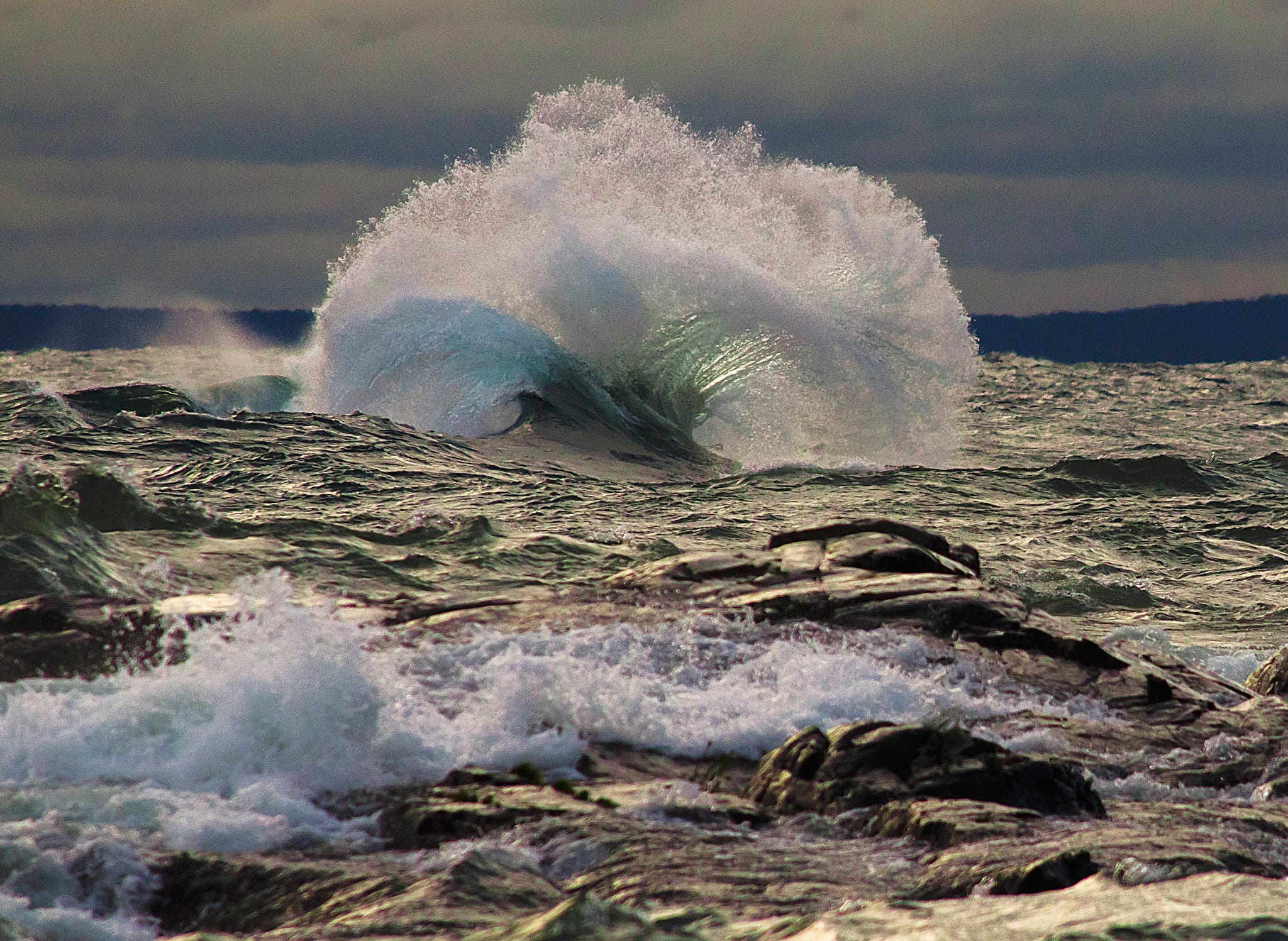
the split second flowering of a breaking wave,
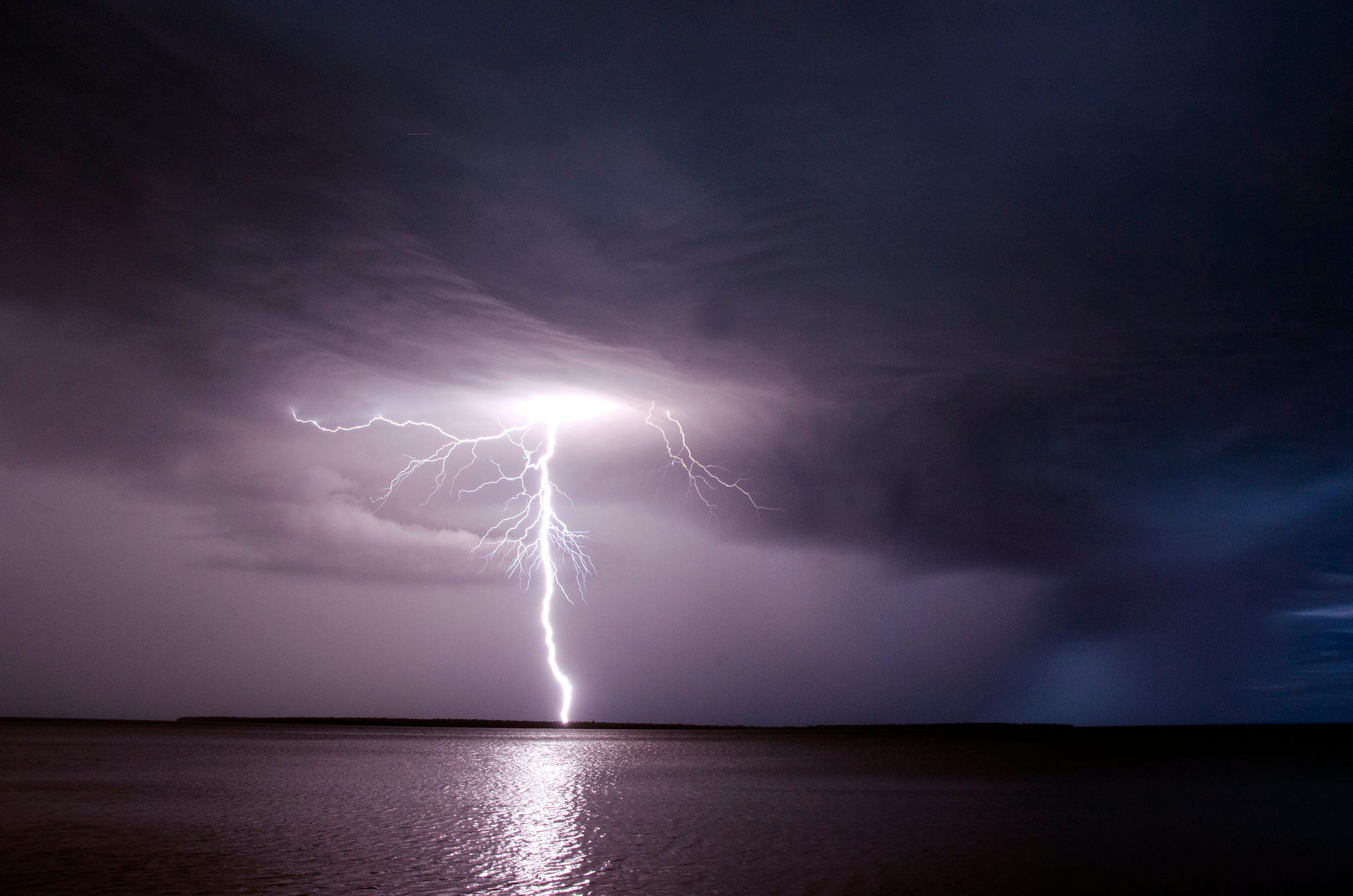
or a flash of lightning over Sand Island.
The human eye is a miracle, a wonder of mind and body that together paint the picture we call the world around us. A camera is an intricate piece of technology awaiting our instructions. The two do not “see” things the same way.
The difference is most clear when watching something like the northern lights. The question most often asked by non-photographers about the aurora is: “Did it look like that to the naked eye?” The answer, of course, is “no” and it shouldn’t. A camera, just as a paintbrush, need not only be a tool to replicate what can already be seen by the human eye. It is an aid for seeing beyond the obvious and into what can only be seen by the human soul.
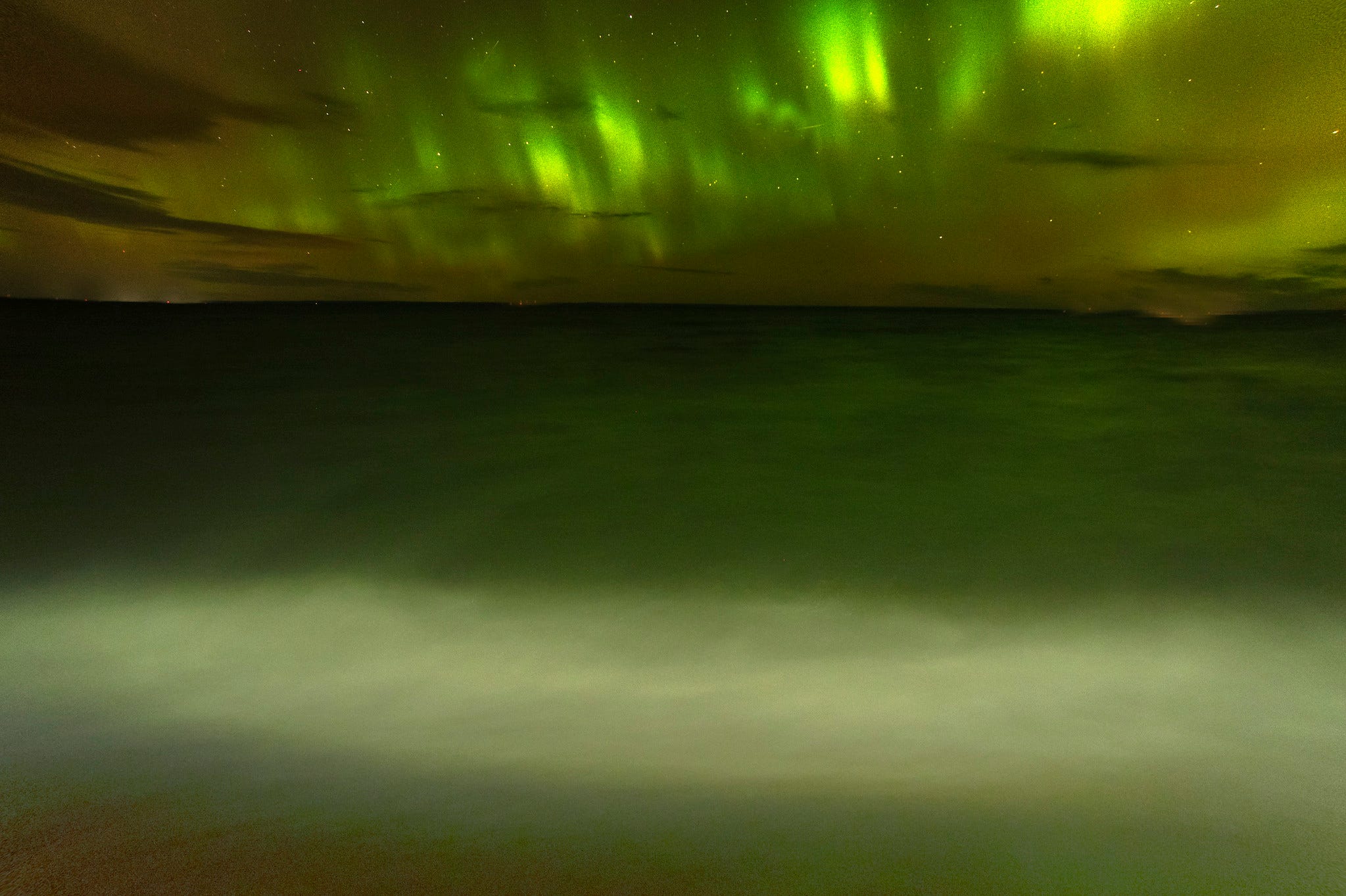
Nor does a camera necessarily “distance” us from nature. Does a telescope distance an astronomer from the stars? Do binoculars distance a birder from the birds? Each is a tool for helping us see beyond the physical limits of our own eyes, just as the reading glasses some of us are using to make the letters and images of this essay more clear. Used correctly, a camera can bring us closer, make us more intimate with the stunning details of nature unseen and unseeable by the naked eye.
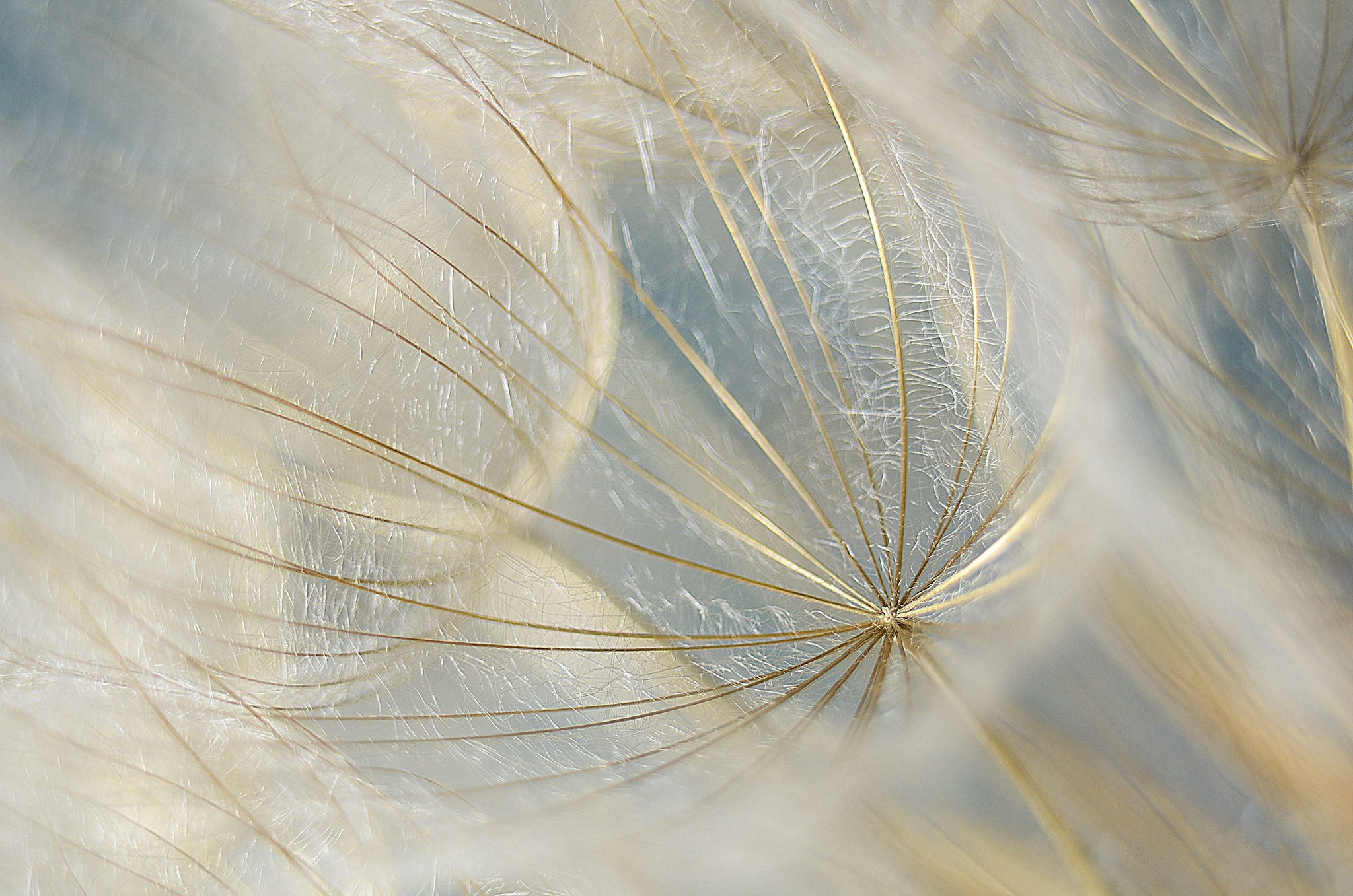
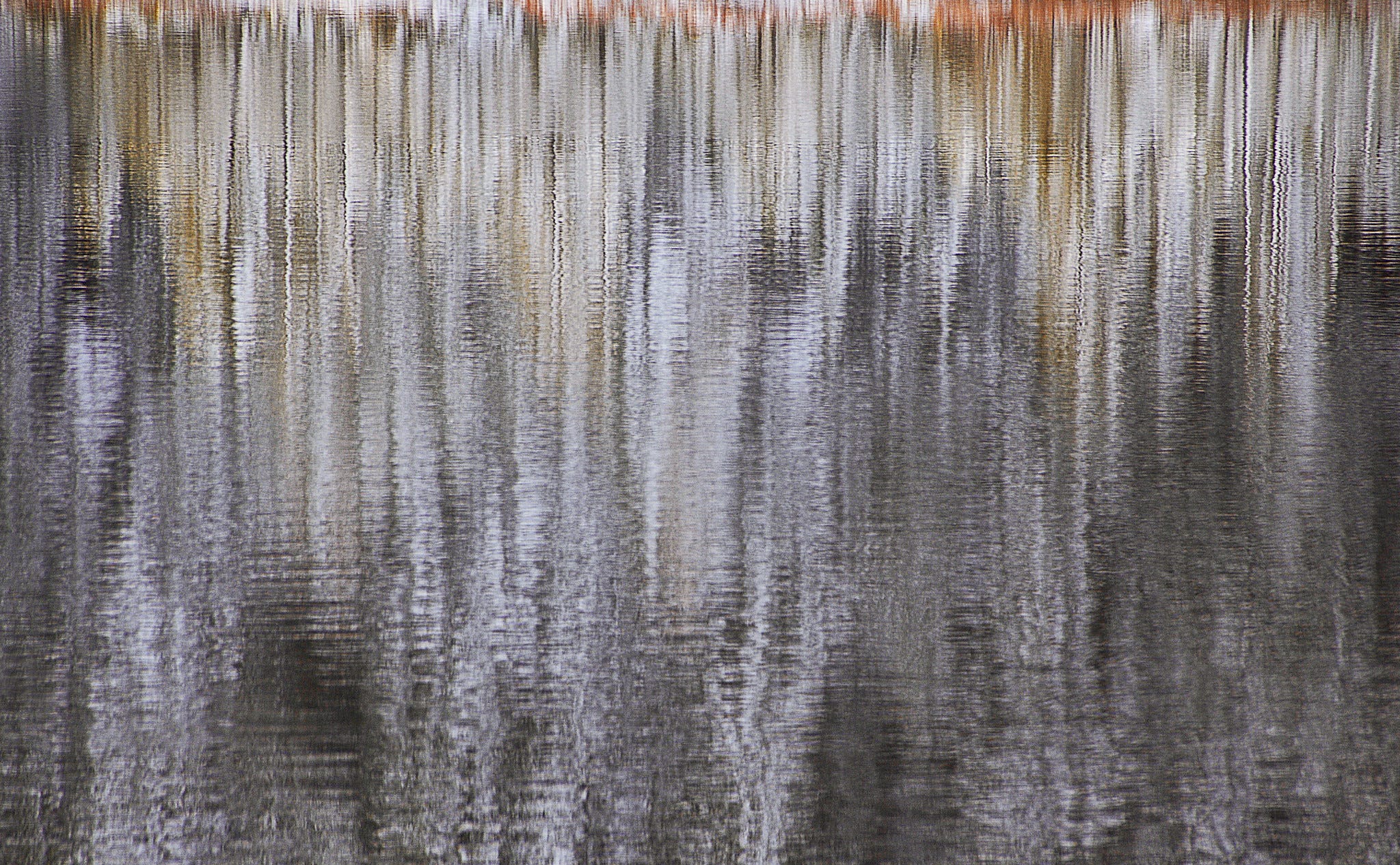
The act of carrying a camera, too, slows me down. It is a license to look, making it more likely that I will notice the reflection of birch trees in still water,
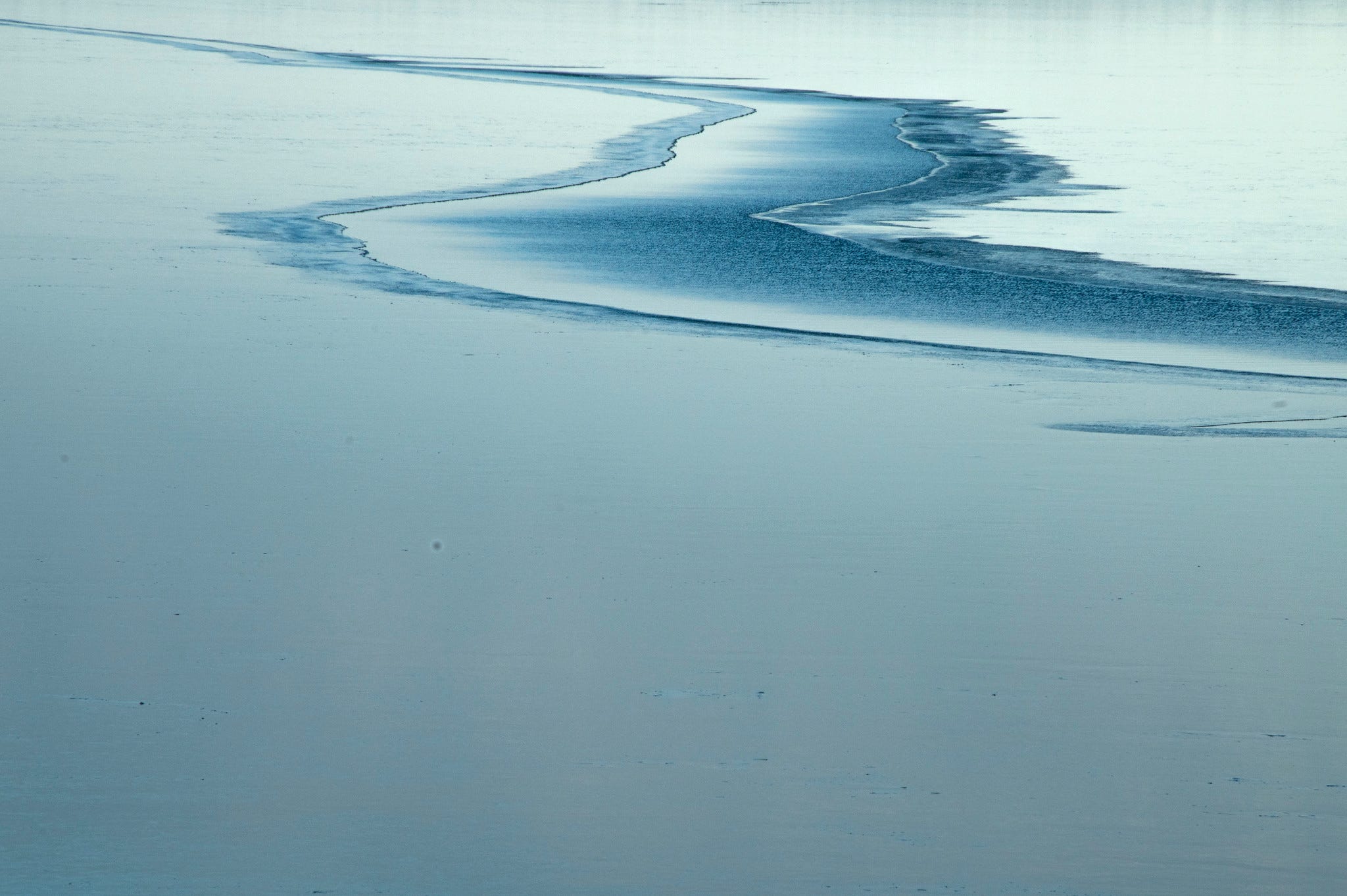
or the graceful lines of new ice on a quiet bay.
A camera is the perfect tool to carry aboard the Little Dipper in my search for the true heart of these islands. It teaches me to see beyond the limits of my own vision, causes me to slow down, look more closely, look again. And with that extended vision, that deepened patience, comes, at times, a deeper appreciation for, and understanding of, this place. There is more to the islands than meets the eye. Some of it, meets the camera, a lesson I learned that day in the back of the Ice Caves when I took one more photograph, one more look, and discovered a glimmer of the light we cannot see.
— Jeff Rennicke (all photographs by the author unless otherwise noted).
Such beautiful images Jeff. Thanks for sharing them. Keep capturing that which we cannot see.
Wow, what a powerful image and a great lesson in persistence! The texture and lighting in those ice caves are absolutely breathtaking, Jeff. Glad you took that one last shot! Let's connect: http://jeanmarccauquil.substack.com