
Away
Can a trip to a constellation of islands thousands of miles away make you feel closer to home?

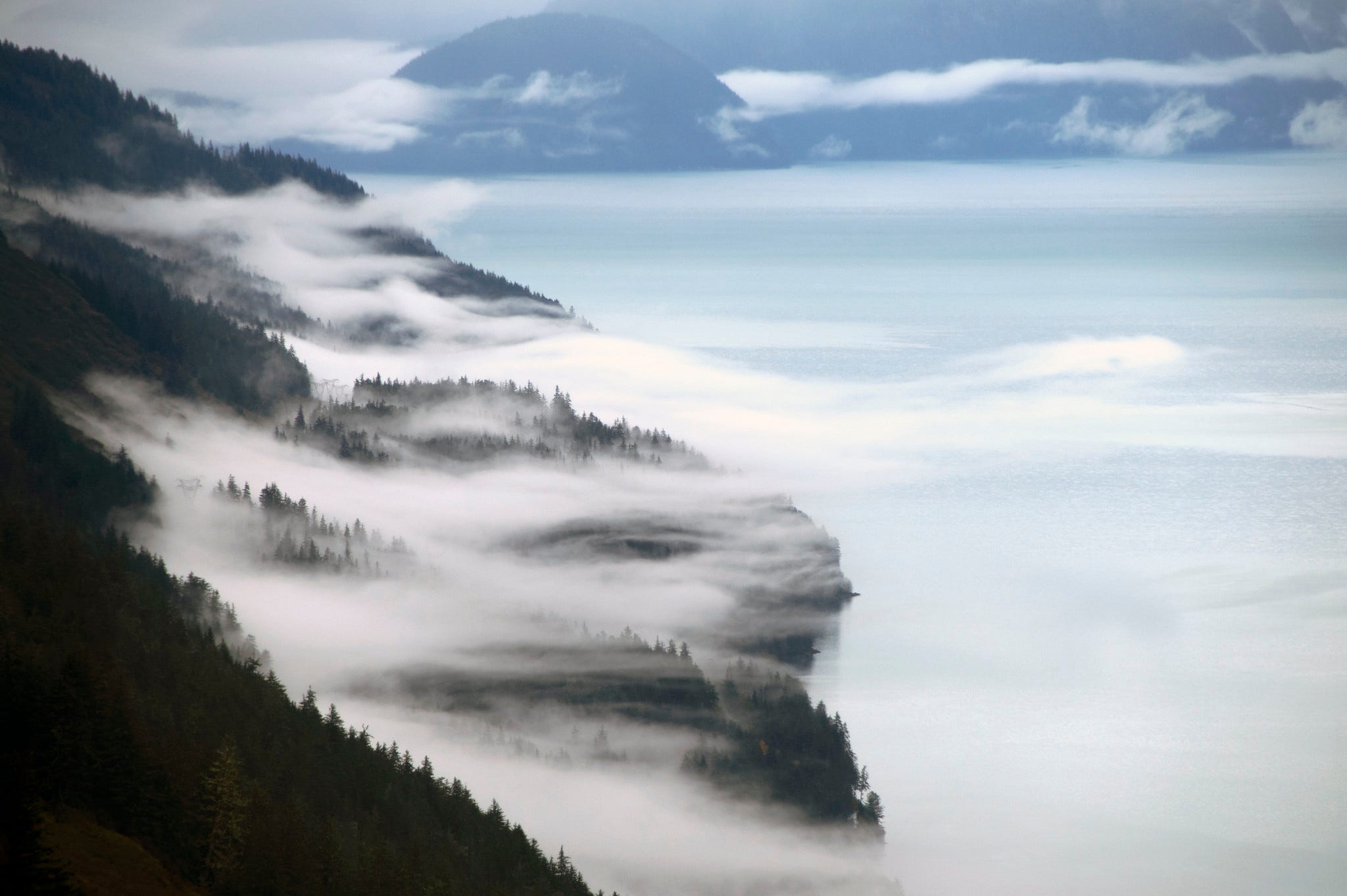
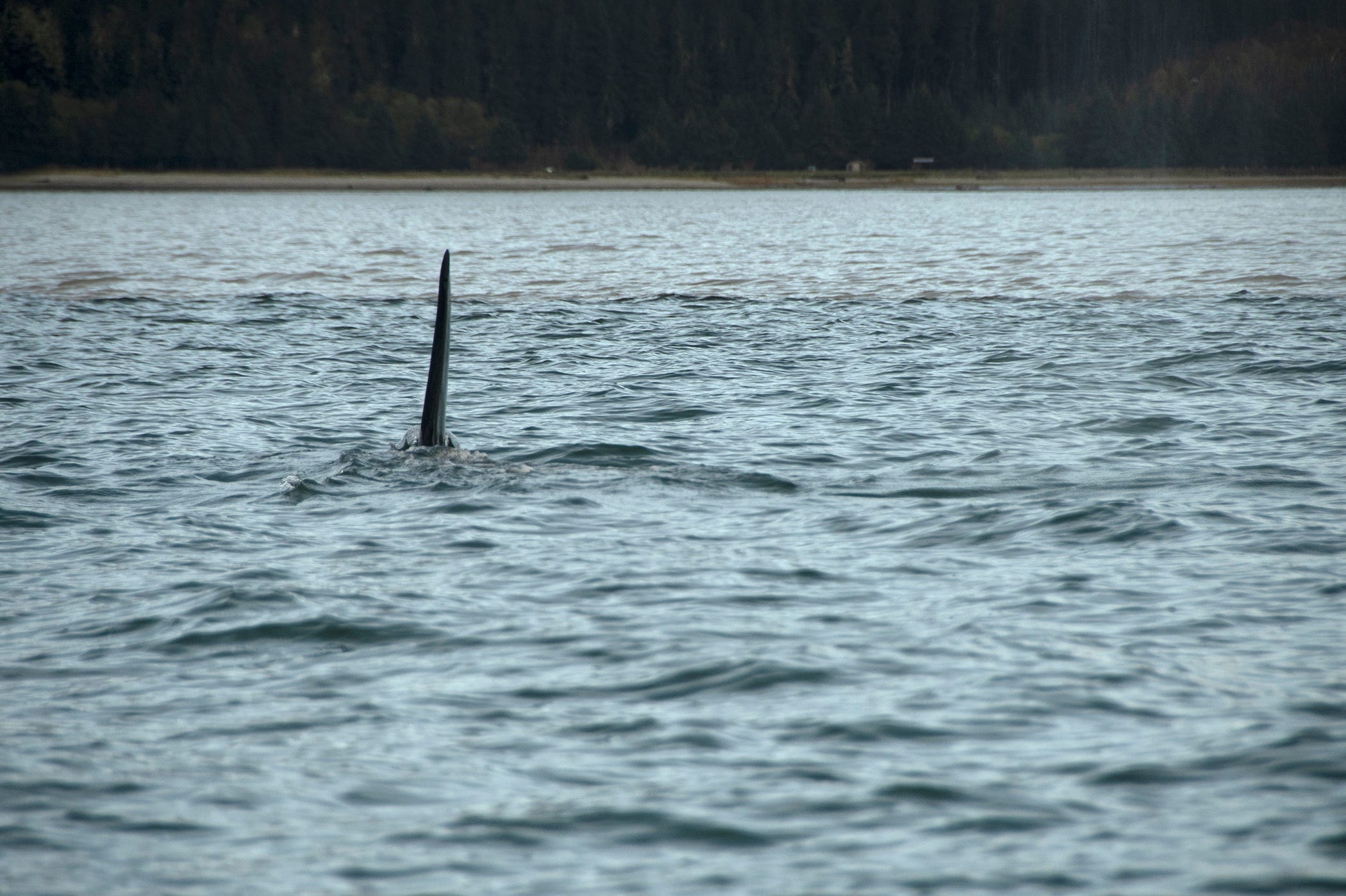
Some things seem very familiar here: we are adrift among wild islands ringed with sharp rocks and fringed with forests, there are bear tracks on the beach, and we are on a C-Dory. But, this time it is not the Little Dipper. These are not the Apostle Islands, and we are not on Lake Superior. As if to make that point perfectly clear, something is just now rising off our starboard side and moving quickly towards the boat: the immense dorsal fin of a male Orca.
Jill and I are away, thousands of miles to the northwest of the Apostle Islands in Juneau, Alaska aboard a C-Dory named the Edisto. Southeast Alaska is a dot-dash land and seascape spangled with over 1,100 islands, some the size of small states, others as tiny as the dot on an exclamation point. The names alone are enough to spark wanderlust — the Alexander Archipelago, Shaman Island, Battleship, and Bird. There are the huge “ABC islands” —Admiralty, Baranoff, and Chichagof — and smaller pinpoints of land with barely a handful of pointy pines and skiff-sized cobble beaches. Southeast Alaska is, it seems, as much water as land, a land of islands.
Kind of like the Apostles.
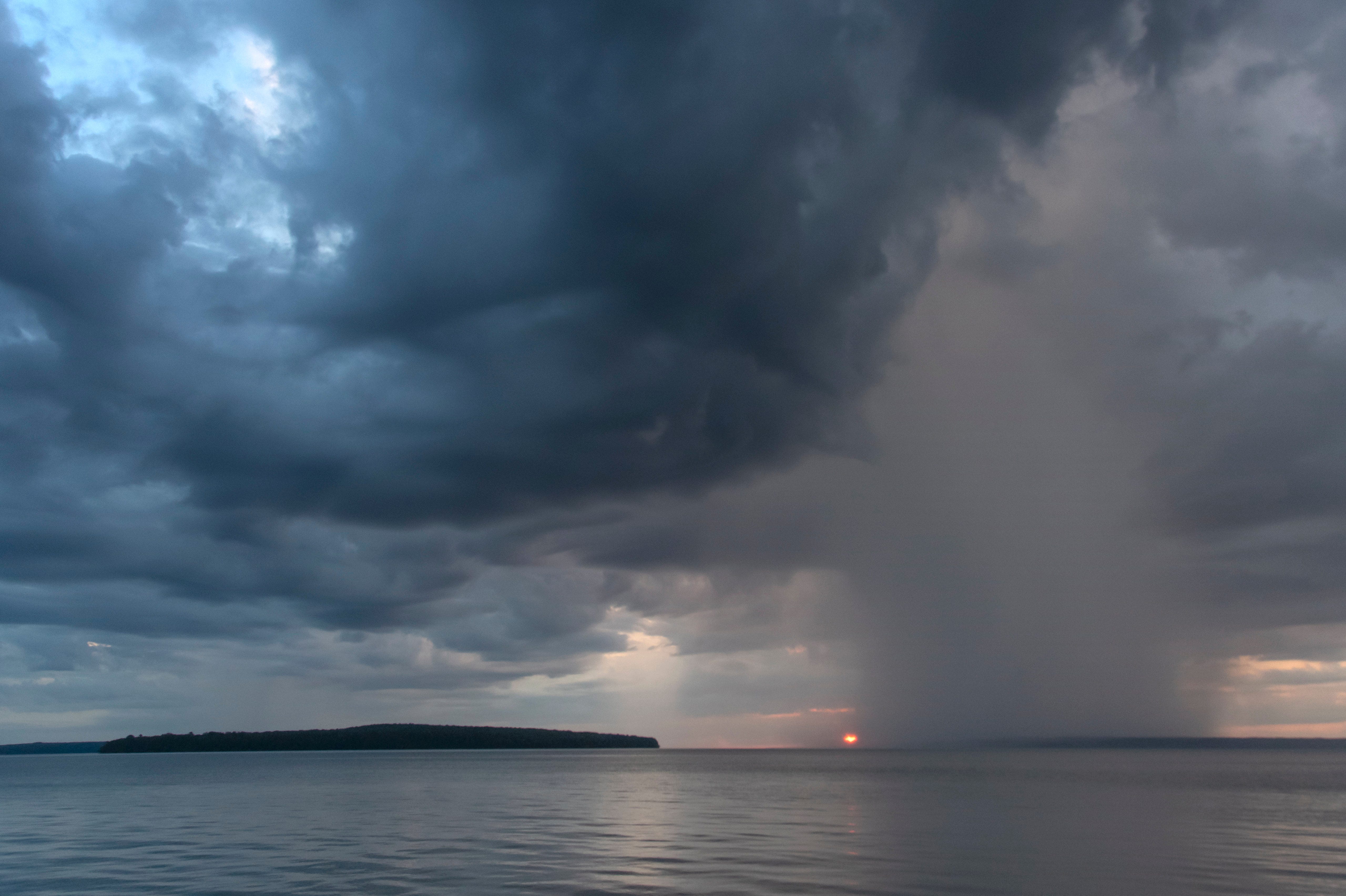
It may seem strange to be thinking about the Apostle Islands while drifting in Alaskan waters, but there is a kinship here, a kind of sisterhood of islands. And, too, I think sometimes things get clearer from a distance, even landscapes.
Many of our greatest writers did not write about the landscapes they are most famous for while in those landscapes - Hemingway’s classic Upper Michigan story Big Two-Hearted River was written in a Paris cafe. Willa Cather penned her books about the Nebraska plains ensconced in Cherry Valley, New York. That these authors could so clearly and convincingly paint their landscapes in words from such a distance is more than a measure of their creative genius. It is also, I believe, a truth that the lens of distance can bring a land into clearer focus for the mind and the imagination.
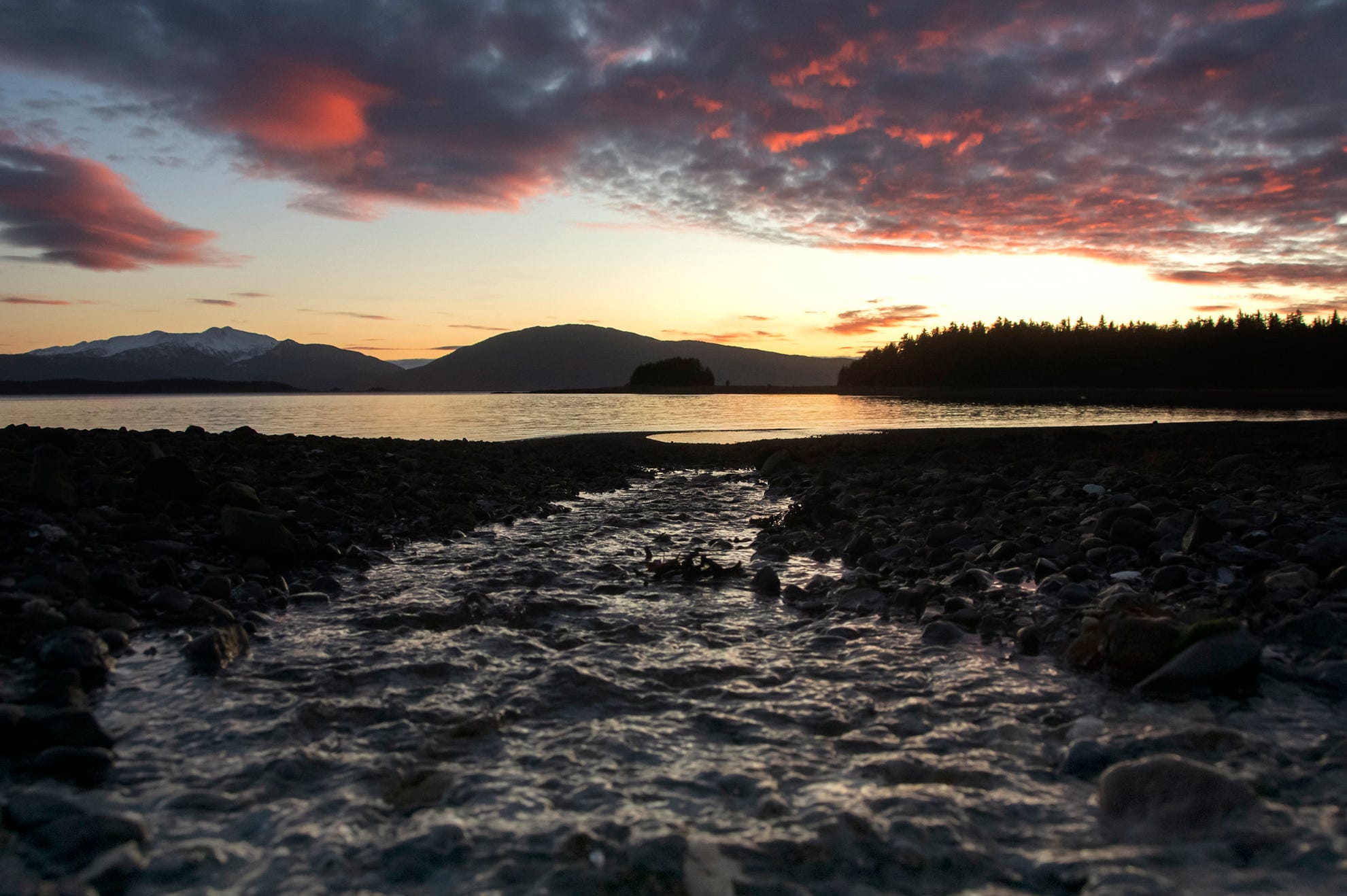
From a distance, the scruff of the mundane falls away leaving only the crisp, shining truth behind. We can feel the mist rising off the back of the Big Two-Hearted River, hear the pounding of the hooves of the antelope in the “running country” of Cather’s Great Plains more clearly, I believe, because of the clarity of distance. The authors were “away” physically but still in their chosen landscape in their hearts.
Time away from a place, too, can be an opportunity to take stock, to tally what has been gathered from that place already and rearrange it in your head and heart.
And so, we are pulling crab pots adorned with an array of sea life - sunflower sea stars and urchins and brittle stars, drifting among ribbons of fog and glaciers, and laughing out loud at the grumbling stomach bellows and belches of Stellar sea lions, a barrel-full-of-rocks-rolling-downhill kind of sound as a pod of the huge creatures lounge like furred couches on the seaside rocks.


And we are watching the dorsal fins of a pod of Orcas slice the sunlit waters like drawn daggers.
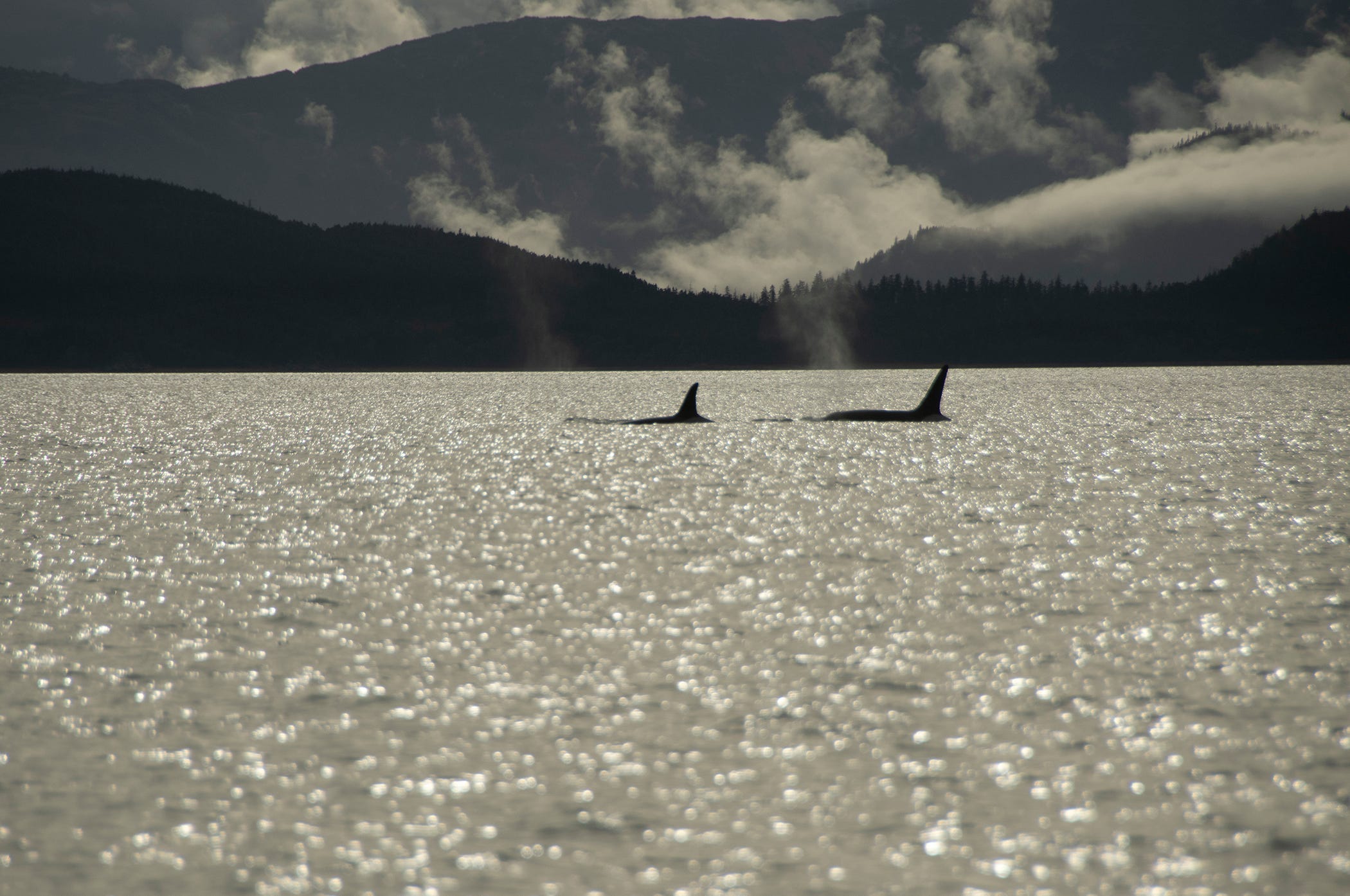
And, I am thinking about the beauty and meaning of place. Surrounded by all this life and beauty as the Edisto weaves in and out, stringing small islands like blue-green beads on the white thread of its wake, it is difficult at times not to wonder what a life dedicated to this place would look like. Islands and wilderness and water. Stories and beauty and power. In a moment of sunshine, watching the sycthing of the waters by the orca pod, I feel a kind of an ache come over me, and I think to myself “I could almost live here.”
Almost.
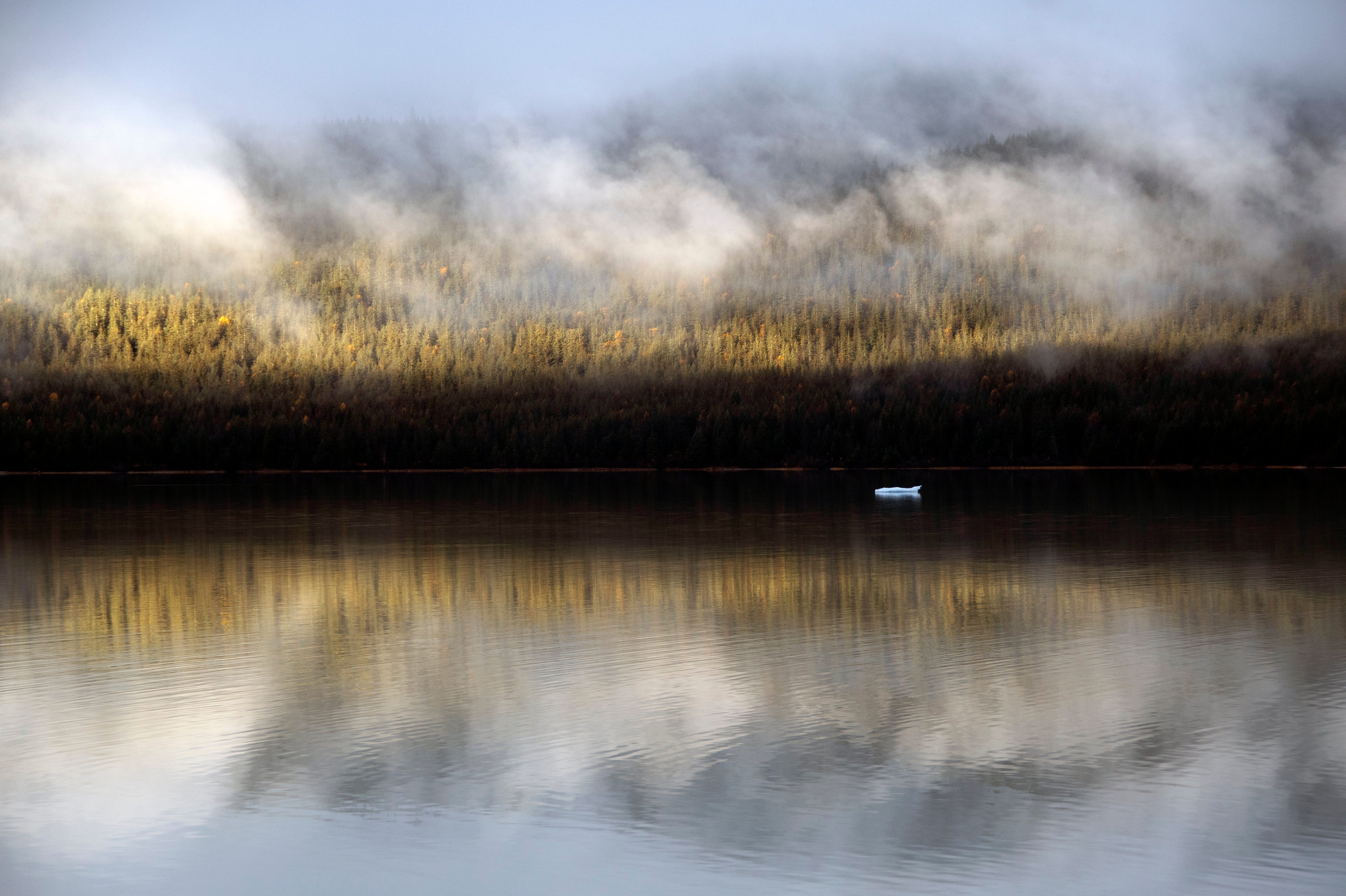
But even deeper down, I know I never will. For all of the kinship and connection here, there is an unbridgeable distance as well. Despite the lighthouses and hermit stories and shipwreck tales, the stories here are mostly silent to me, an outsider without the time-earned local knowledge that would bring them to life. I will never know these islands like I know the Apostles. There are too many islands in a world sequined with islands to come to know them all - each one worthy of a lifetime of attention and care. We must make a choice.
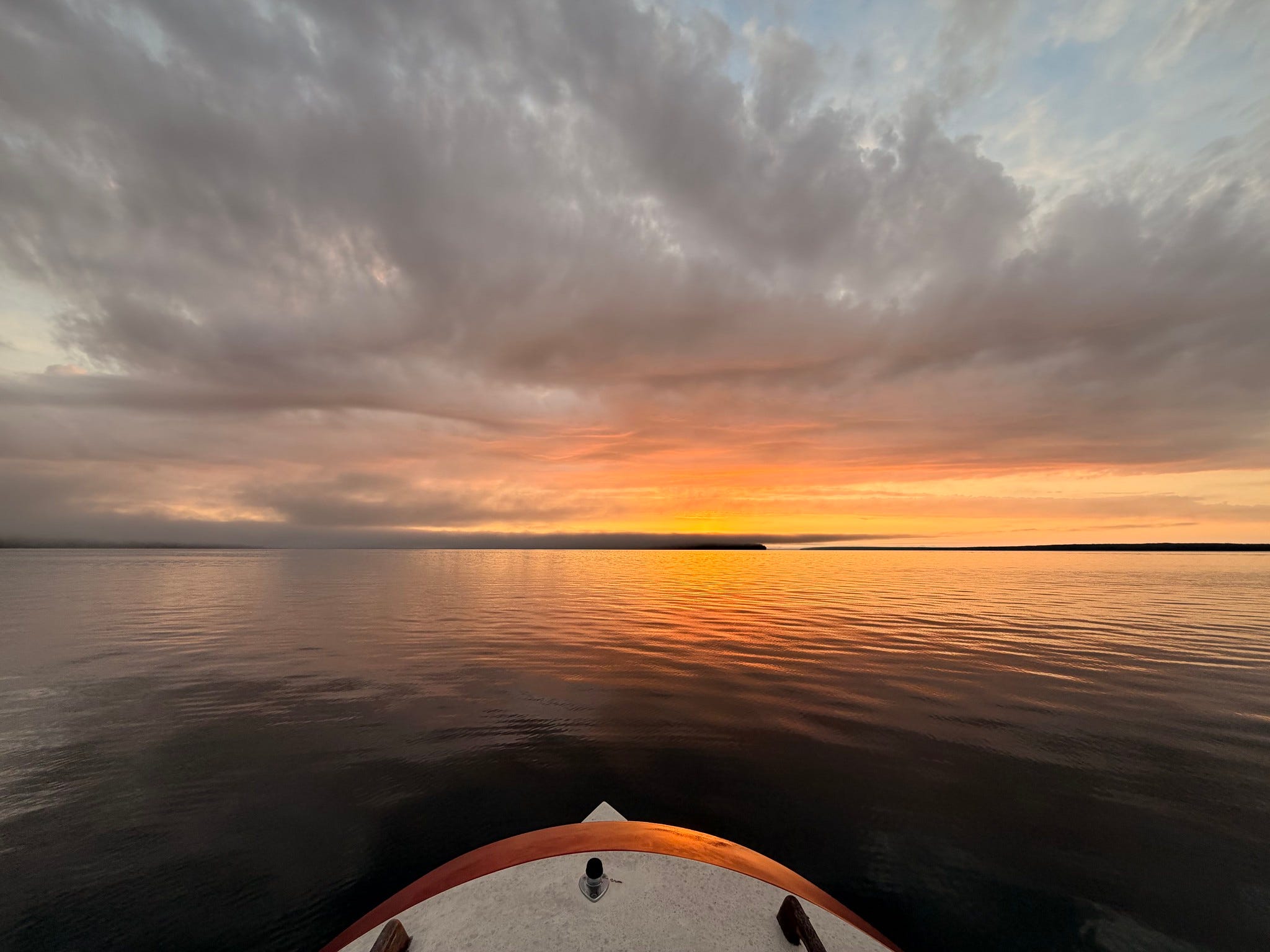
There is a sacredness in the choosing. One of the most cherished books I carry aboard the Little Dipper is a signed copy of The Island Within by my friend Richard K. Nelson, someone who, late in his life, chose a small Alaskan island not far from here to focus his life around. “[T]he particular place I’d chosen,” Nelson writes in the book, “was less important than the fact that I’d chosen a place and focused my life around it.”
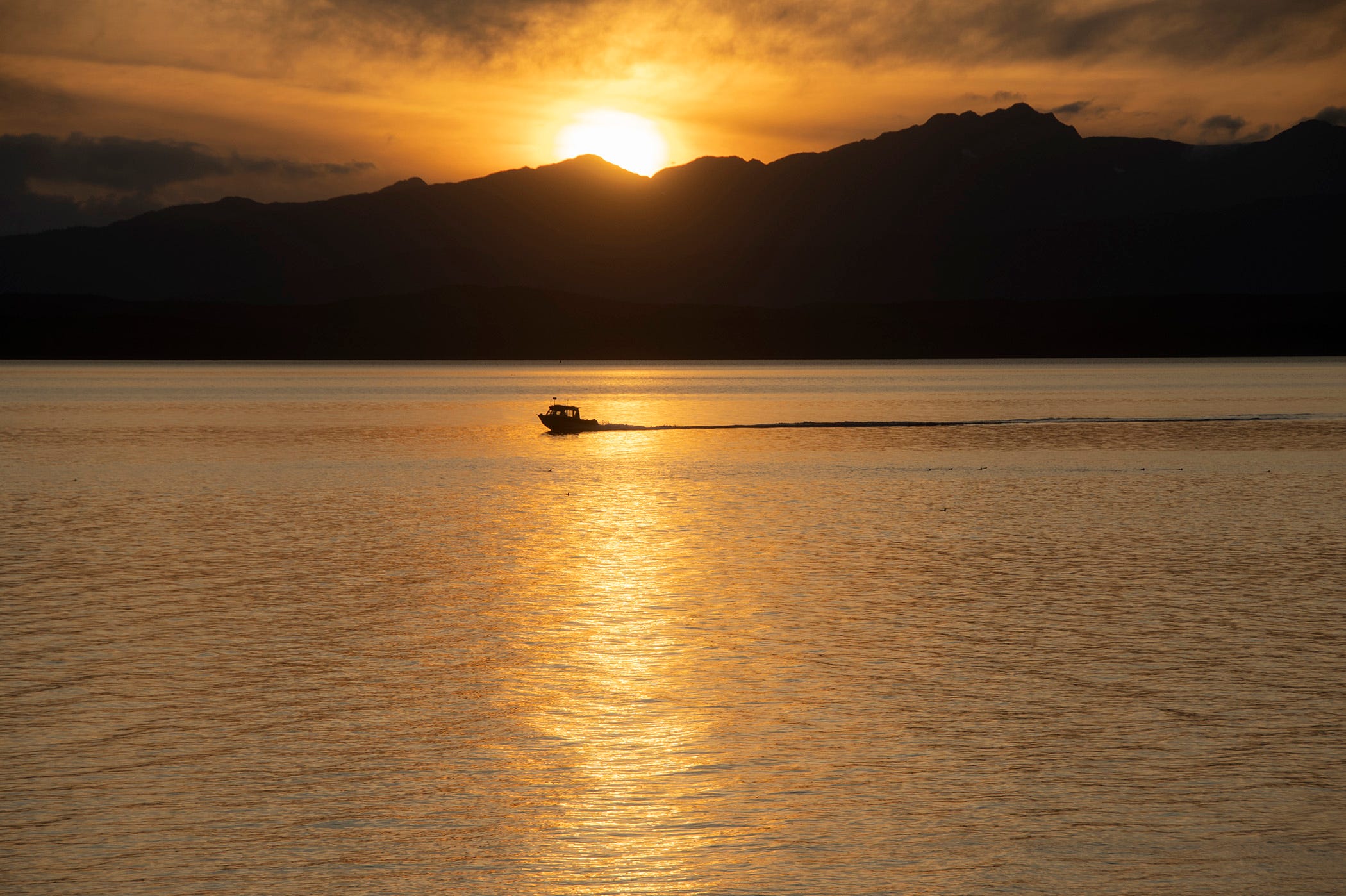
Acknowledging both the slow ache of the road not taken and the satisfactions inherent in choosing, is one way that travel to a landscape far away can make you feel closer to home. Distant and exotic travel is often portrayed as the key to opening your mind to the world, and it can. But, I think to myself as the Edisto powers up to head up the channel for the boat landing, with a little reflection, it can also be the key to understanding the beauty and power of home.
And so we must choose: not whether we cease to travel but where we will come back to and call home. I choose the Apostle Islands.
— Jeff Rennicke (all photography by the author unless otherwise noted).
If you enjoy what you are reading and seeing here and are not yet a paid subscriber, please consider upgrading.
You’re not a travel writer.
You’re a writer.
Home never leaves us that is why we travel - not to discover new places but rather to discover out own places by comparison.